Address: DeZhou,ShanDong,China | Whatsapp/Phone: +86-18653152590 | E-mail: aike0453@gmail.com


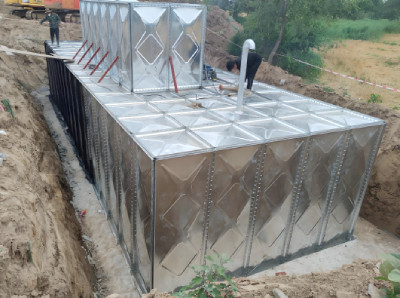
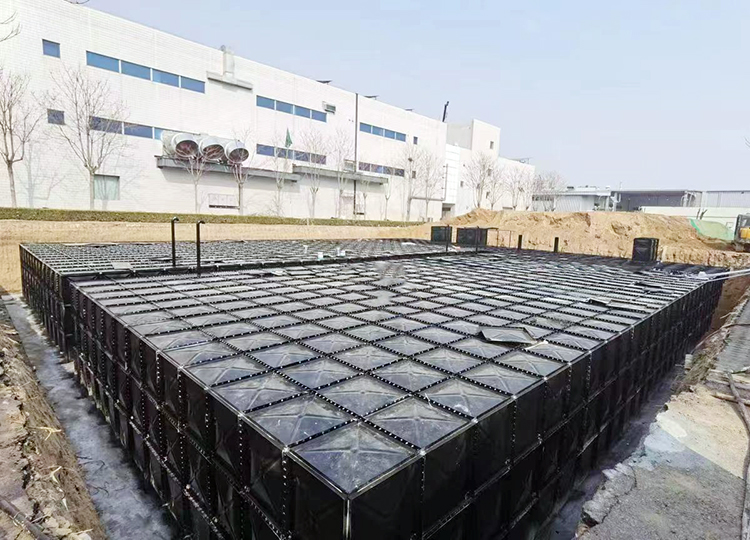
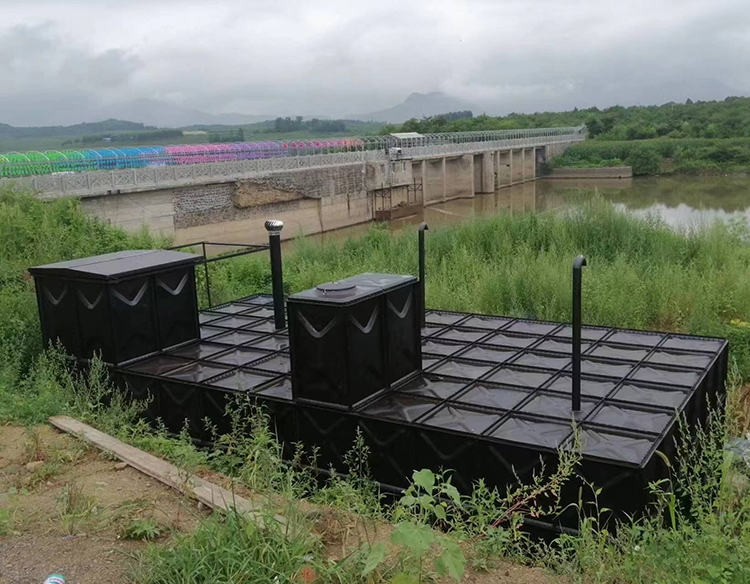
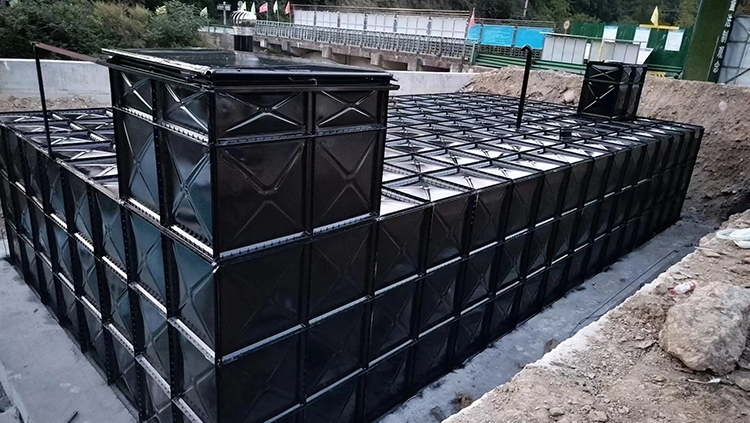
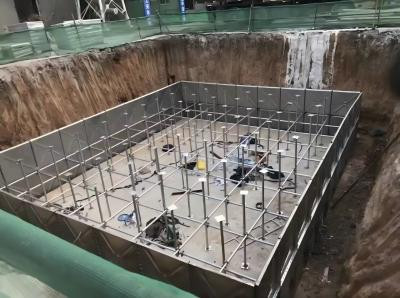
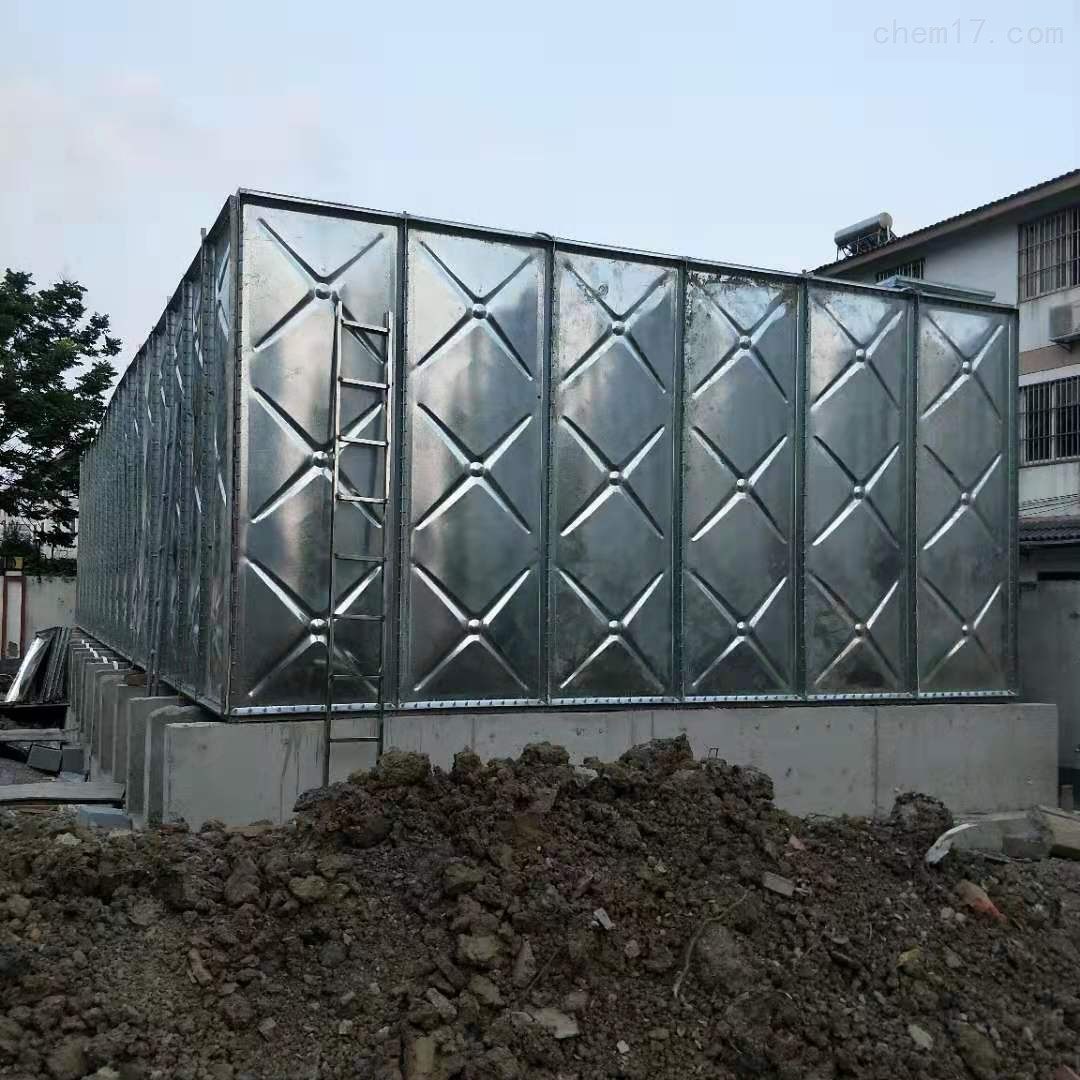
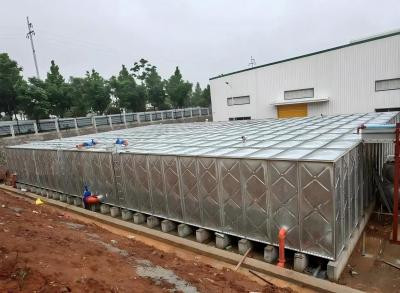
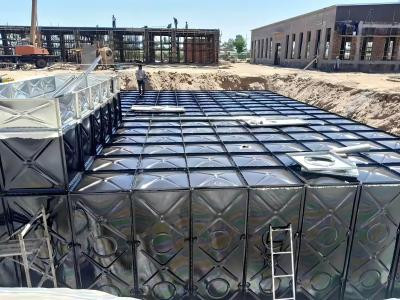
We produce underground water tank, which can be, buried under ground.The material can be galvanized steel and enamelled steel.
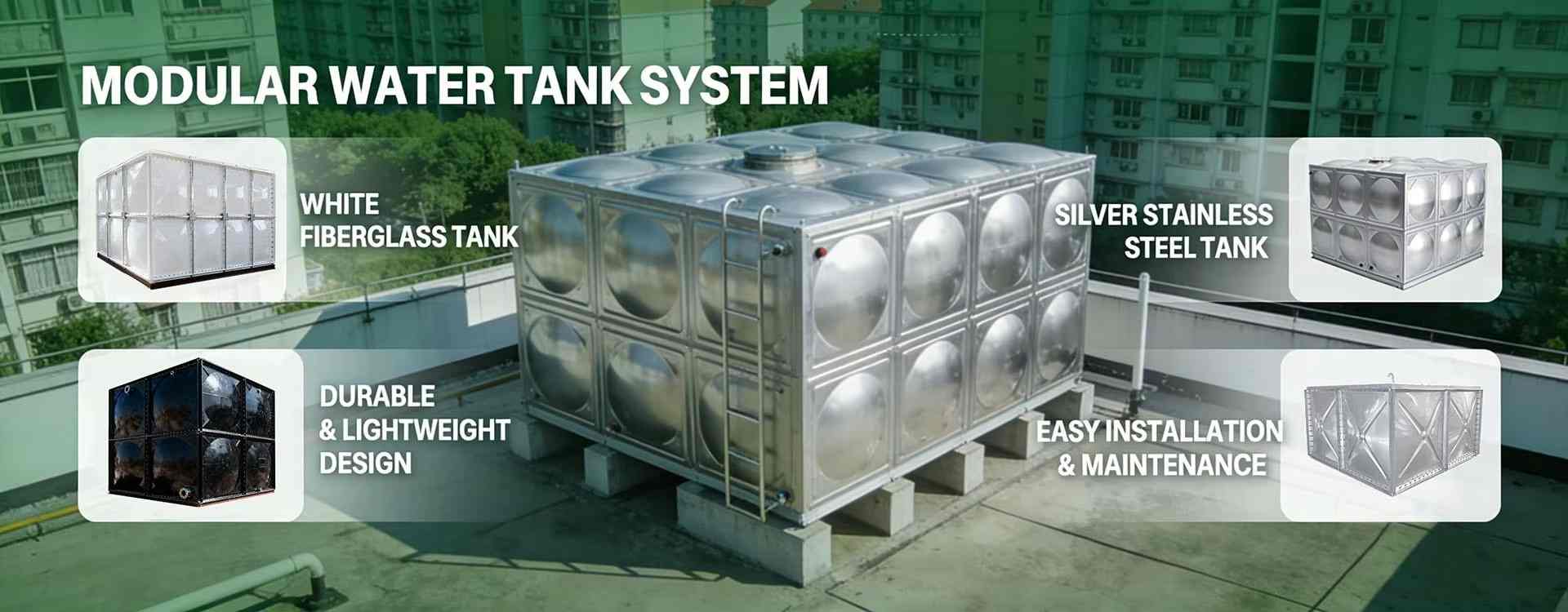
Robust Design | Corrosion-Resistant | Suitable for Burial
The underground tank features a more robust design compared to standard steel tanks, utilizing thicker panels and reinforced rod support for enhanced durability.
Underground water storage tanks are divided into BDF underground water tanks and galvanized steel underground water tanks. Galvanized steel is steel coated with zinc to protect against corrosion. The zinc coating prevents rust and extends the lifespan of the tank, making it suitable for burial underground where it may be exposed to moisture and soil.
Our steel water tank can be configured as a buried water tank. Both the tank body and its components undergo galvanization and receive additional painted protection.
A layer of earth, ranging from 10 cm to 100 cm in thickness, can be placed on top of the tank.
The accessories are made from BDF, CDG, HDG, and SS304 materials as appropriate.
Technical specifications remain consistent with those of the steel tank.
Typically, our technicians will design the tank according to your specific requirements.
Homeowners frequently choose galvanized steel buried water tanks for domestic water storage needs — drinking, cooking, bathing, and irrigating gardens or lawns.
Various businesses and industrial operations often need substantial amounts of water for manufacturing, cooling systems, or other operational requirements. Buried water tanks ensure a dependable water supply.
Farms and agricultural enterprises rely on water for irrigation. Buried water tanks can effectively store rainwater or well water for crop irrigation, livestock hydration, and other farming activities.
Buried water tanks can be integrated into fire protection systems for residential, commercial, and industrial properties, offering an accessible water supply for firefighting.
In areas where municipal water infrastructure is scarce, buried water tanks provide a self-sufficient solution for water storage — suitable for cabins, cottages, off-grid residences, or remote construction sites.
Buried water tanks can act as emergency water reserves during natural disasters, crises, or interruptions in municipal water services.
"My shipment arrived earlier than the expected date. Everything was safely shipped with no defects. The supplier was excellent enough to satisfy the customer's needs."
Maintenance Space: Leave a maintenance passage of not less than 700 mm between the tank and the wall. The top and bottom of the tank should be not less than 500 mm from surrounding structures.
Civil Construction: Piers should be made first. The joints between the water tank and the bottom unit plates should be located on the buttress.
Water Leakage Test: After assembly, close the outlet pipe and drain pipe, open the inlet pipe, and fill with water. 24-hour water leakage is acceptable as a standard test.
Our company also supplies:
Contact usto customize your plan and obtain a factory price quotation.