Address: DeZhou,ShanDong,China | Whatsapp/Phone: +86-18653152590 | E-mail: aike0453@gmail.com


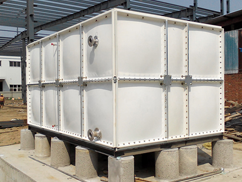
A water storage tank stores water and keeps it at a suitable temperature. But without proper care, even a high-quality tank can develop water quality problems. For drinking water tanks, poor maintenance can lead to serious health risks over time.
This guide covers the key steps to keep your tank clean, safe, and working properly.
Keep the tank, its room, and the pump room locked. Maintain a key log with name, date, time, purpose, and approver. Report lost keys immediately and replace locks if necessary.
Record all entries and exits. Unauthorized personnel should not enter without permission.
Every maintenance task should be recorded — entry and exit times, work details, operator names, and the reason. Keep records for at least three years.
Also keep a full inventory of the tank and its equipment, updated at least once a year.
Install the tank in a well-lit, ventilated, dry area. Avoid corrosive gases, dust, open flames, high temperatures, and direct sunlight. The tank must sit horizontally and stably, free from moisture.
Safety Valve — Prevents over-pressurizing. Inspect and clean regularly to avoid blockages.
Inlet Pipe — Connect securely to the water supply with no leaks. Install a check valve and filter screen to protect the tank interior.
Blowdown Pipe — Install separately or isolate from other lines. Clean regularly to keep discharge unobstructed.
Pipe Connections — All connections must be secure and leak-free to prevent water waste and contamination.
Clean the tank every three to six months, depending on usage and water quality.
Turn off the water supply and drain the tank.
Wear gloves and a mask.
Use bleach or a specialized tank cleaner, following the manufacturer's instructions.
Rinse thoroughly with clean water.
Ensure the tank is completely empty before refilling.
Check pipes, valves, and connections regularly. Poor sealing and leaks can contaminate water and waste resources. Repair or replace seals promptly.
Inspect insulation materials regularly. Replace damaged sections to keep insulation effective and prevent excessive heat buildup.
Remove debris, litter, and potential contaminants around the tank. Regularly clear dirt and dust to prevent particles from entering the tank.
Do not store or treat water with harmful chemicals. Inspect discharge and intake pipes regularly. Keep water temperature within a suitable range to limit bacterial growth.
Test water quality consistently to detect problems early. Use professional services or testing equipment. Regular testing lets you act promptly.
Keeping a water storage tank clean and safe comes down to consistent habits: regular cleaning, checking for leaks, maintaining insulation, keeping the surroundings clean, and testing water quality. These simple steps protect your health and help conserve water.